Falcon 9 Launches GPS III SV10 — Recap of 21 April 2026 Flight
Published · Updated
Falcon 9SpaceXGPS IIIGPS III SV10✓ recap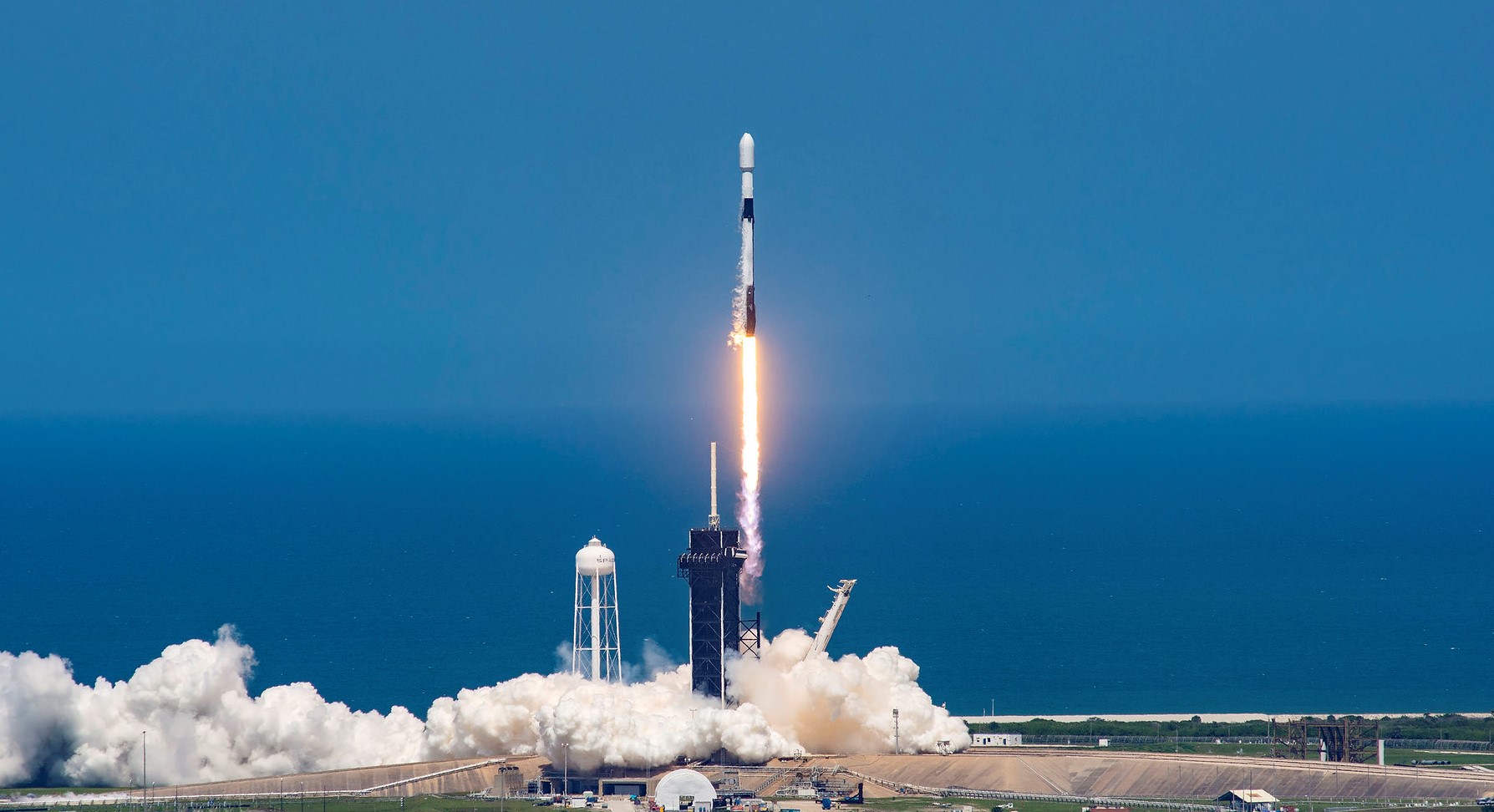
Launch facts
| Rocket | Falcon 9 Block 5 |
| Operator | SpaceX |
| Pad | Space Launch Complex 40, Cape Canaveral SFS, FL, USA |
| T-0 (UTC) | 21 April 2026 at 06:53 |
| Status | Success |
What happened?
SpaceX successfully launched the GPS III SV10 navigation satellite aboard a Falcon 9 Block 5 rocket on 21 April 2026 at 06:53 UTC from Space Launch Complex 40 at Cape Canaveral Space Force Station, Florida. The mission, flown for the U.S. Space Force, was declared a success, delivering the next-generation positioning satellite toward medium Earth orbit.
GPS III SV10 is the tenth satellite in the third-generation Global Positioning System constellation, a fleet operated by the U.S. Space Force that provides worldwide positioning, navigation, and timing services to billions of military and civilian users.
Did the launch succeed?
Yes. According to SpaceX, the Falcon 9 lifted off on schedule and completed a nominal ascent, with the second stage carrying GPS III SV10 to its planned deployment orbit. The mission marked another operational addition to the modernized GPS network.
What is the payload?
The GPS III series, built by Lockheed Martin, represents the most advanced generation of U.S. positioning satellites. Compared with earlier GPS blocks, GPS III satellites deliver up to three times better accuracy and up to eight times improved anti-jamming capability, and they broadcast the L1C civil signal that is interoperable with international systems such as Europe's Galileo.
Key facts about the payload:
- Satellite: GPS III Space Vehicle 10 (SV10)
- Operator: U.S. Space Force
- Manufacturer: Lockheed Martin
- Constellation position: 10th third-generation GPS satellite
- Target orbit: Medium Earth orbit, roughly 20,200 km altitude
GPS III satellites are designed for a 15-year service life, significantly longer than the generations they replace, reducing long-term replacement costs for the constellation.
Which rocket flew the mission?
The Falcon 9 Block 5 is a two-stage, partially reusable orbital rocket developed by SpaceX. It stands 70 meters tall and is powered by nine Merlin 1D engines on its first stage, producing roughly 7,600 kilonewtons of thrust at liftoff. The Block 5 variant is the workhorse of SpaceX's fleet and has become the most-flown American orbital rocket in history.
Delivering a GPS III satellite to medium Earth orbit is one of the more demanding profiles Falcon 9 flies, requiring a high-energy trajectory that leaves less propellant margin than routine low-Earth-orbit missions.
Where did it launch from?
The rocket departed from Space Launch Complex 40 (SLC-40) at Cape Canaveral Space Force Station, one of SpaceX's primary East Coast pads. You can explore more missions from this site on our Cape Canaveral launch hub and follow the company's full manifest on the SpaceX launch schedule.
Why does this launch matter?
Each GPS III satellite strengthens the accuracy, resilience, and security of a system that underpins everything from smartphone navigation and financial timestamping to aviation and defense operations. Adding SV10 continues the U.S. Space Force's steady modernization of the constellation, which maintains a minimum of 24 operational satellites but typically flies more than 30 to guarantee global coverage.
How to watch and track it
SpaceX provided a live webcast of the launch, per its standard mission coverage. Now that GPS III SV10 is in orbit, you can visualize its position and the wider GPS constellation on the Cosmik live 3D satellite map, and keep up with the newest missions on our launch news feed.
Mission summary
| Detail | Value |
|---|---|
| Mission | GPS III SV10 |
| Rocket | Falcon 9 Block 5 |
| Provider | SpaceX |
| Launch site | SLC-40, Cape Canaveral SFS, FL |
| Liftoff (UTC) | 21 April 2026, 06:53 |
| Target orbit | Medium Earth orbit (~20,200 km) |
| Result | Success |
Launch data is sourced from The Space Devs Launch Library. For more upcoming missions, see the full rocket launch schedule.
Follow the constellation live
Track GPS III SV10 and thousands of other spacecraft in real time on Cosmik's free 3D map, and enable launch alerts so you never miss the next Falcon 9 liftoff. Start exploring the live solar system and satellite view now.
Follow this mission live in 3D and get a free alert before liftoff.
Open the live map →Sources
Next launches
- Dragon CRS-2 SpX-35 — launch time & how to watch — 13 October 2026, 10:33 UTC
- Martian Moon eXplorer (MMX) — launch time & how to watch — 19 October 2026, 19:41 UTC
- Amazon Leo (LV-01) — launch time & how to watch — 29 October 2026
More launch coverage
- Starlink Group 17-14: Falcon 9 Launch Recap (23 April 2026) — 23 April 2026, 03:23 UTC
- Electron 'Kakushin Rising' Launch Recap — 23 April 2026 Success — 23 April 2026, 03:09 UTC
- Rocket Lab HASTE 'Bubbles' Launch Recap — 22 April 2026 — 22 April 2026, 01:36 UTC
- Falcon 9 Starlink Group 17-22: Launch Success on 19 April 2026 — 19 April 2026, 16:03 UTC
- New Glenn Fails Carrying BlueBird Block 2 — 19 April 2026 Recap — 19 April 2026, 11:25 UTC
- Long March 4C Launches Daqi-2 (AEMS): 17 April 2026 Recap — 17 April 2026, 04:10 UTC