Meteor showers 2026-27
Perseids Aug 12-13 (new moon — best since 2018) · Geminids Dec 13-14 (~150/h)
Two nights dominate the calendar: the Perseids on August 12-13, 2026 — a new-moon year, the best viewing since 2018, and the very night of the total solar eclipse — and the Geminids on December 13-14, the year's strongest shower at up to ~150 meteors per hour under an early-setting crescent.
The 2026-27 calendar
| Shower | Peak | Rate | 2026 conditions |
|---|---|---|---|
| Perseids | Aug 12 – 13, 2026 | ~100/h | New moon — best since 2018, same night as the total eclipse |
| Orionids | Oct 21 – 22, 2026 | ~20/h | Bright moon (~80%) — poor year |
| Leonids | Nov 16 – 17, 2026 | ~15/h | Moon sets around midnight — decent pre-dawn window |
| Geminids | Dec 13 – 14, 2026 | ~150/h | Crescent sets early — excellent, the year's best rate |
| Quadrantids | Jan 3 – 4, 2027 | ~80/h | Sharp peak (~03:30 UT) — favorable |
Frequently asked questions
When is the next big meteor shower?
The Perseids peak on the night of August 12-13, 2026 — and it's the best year since 2018: the Moon is new, so skies stay dark all night, with up to ~100 meteors per hour under a dark sky. Bonus: it's the same date as the total solar eclipse over Iceland and Spain.
What time should I watch a meteor shower?
After midnight and before dawn, when your side of Earth faces into the meteor stream. Find dark sky away from city lights, lie back, let your eyes adapt for 20 minutes, and watch the whole sky — no telescope, no binoculars: wide eyes beat optics for meteors.
Do I need any equipment?
None. Meteors are a naked-eye show — equipment actually hurts by narrowing your view. The only tools that help: a reclining chair, a blanket, and a dark-sky spot. Check the Moon phase first; moonlight is the great meteor-killer.
Can I see the Perseids from a city?
Yes, but you'll see the brightest ones only — light pollution erases the faint majority, so expect a handful per hour rather than the dark-sky rate. Any drive away from streetlights pays off more than any equipment.
Make it a full sky night
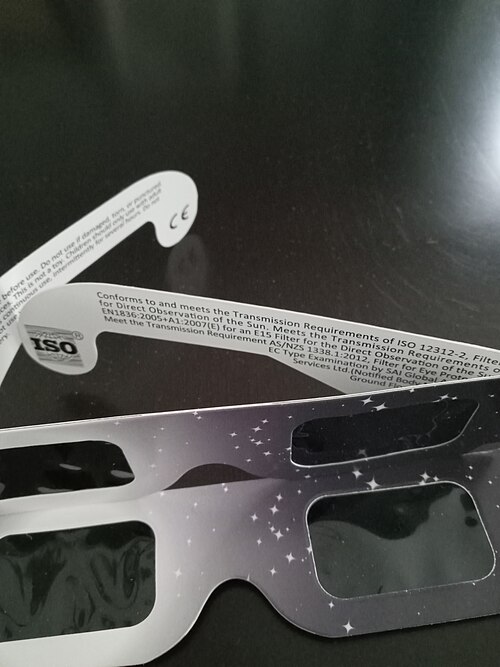
While you wait for the peak: the August 12 eclipse · catch an ISS pass · check the aurora odds · the Moon phase · certified eclipse glasses