Amazon Leo (LV-01) — launch time & how to watch
Published · Updated
Vulcan VC6LUnited Launch AllianceAmazon LeoProject Kuiperpreview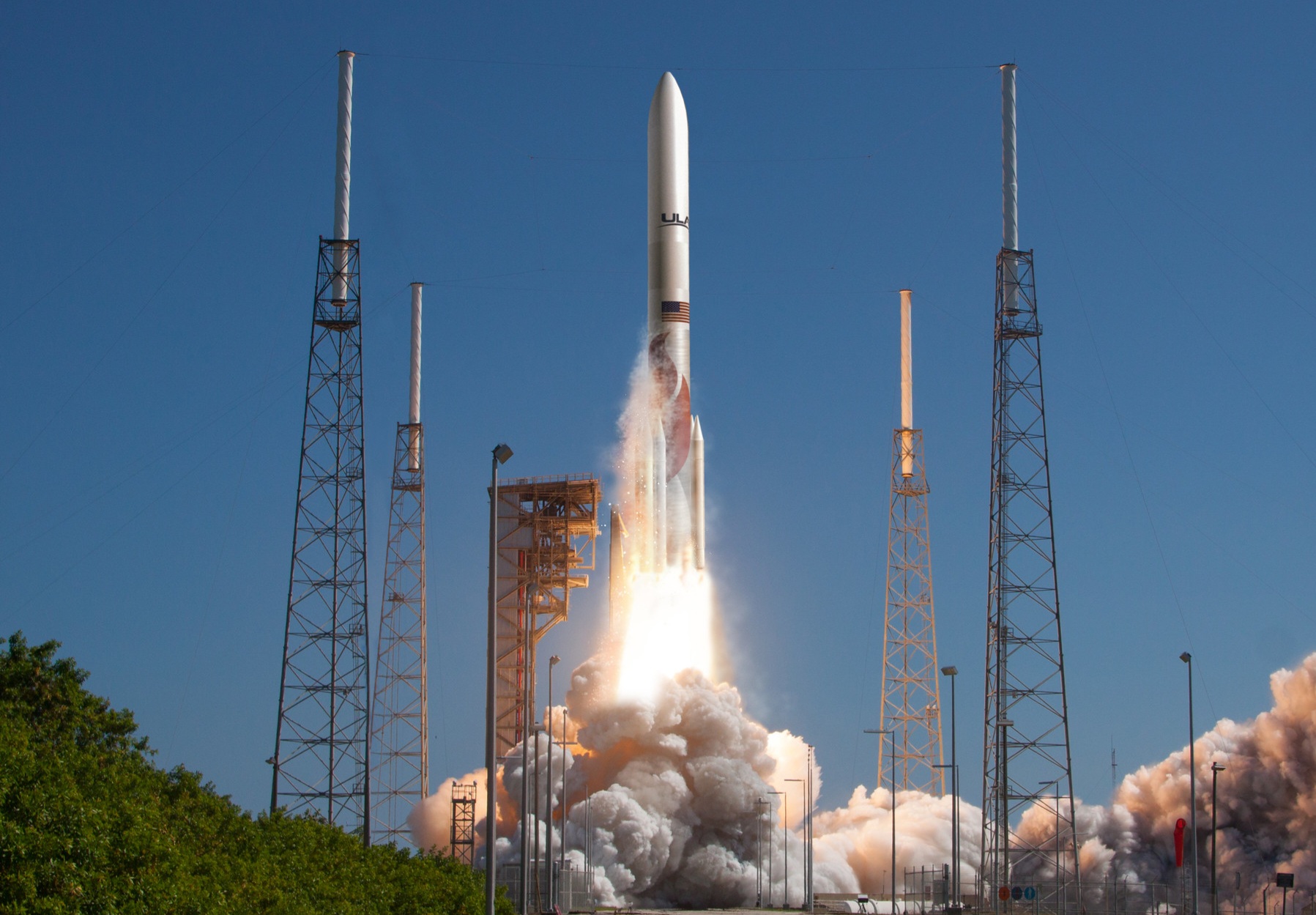
Launch facts
| Rocket | Vulcan VC6L |
| Operator | United Launch Alliance |
| Pad | Space Launch Complex 41, Cape Canaveral SFS, FL, USA |
| Launch window | 29 October 2026 — time TBC |
| Status | TBD |
🚀 Amazon Leo (LV-01) — launch time & how to watch
The day is set — the time isn't
Targeting 29 October 2026. The liftoff time hasn't been published yet, so there's still nothing to set an alarm to.
🚀 The day is set — the time isn't
We'll send you the liftoff time as soon as it's published — and a reminder about an hour before. Nothing else.
Free · no account · unsubscribe anytime
✈ TelegramWhat is launching?
United Launch Alliance (ULA) will launch a batch of Amazon Leo broadband satellites on a Vulcan VC6L rocket from Space Launch Complex 41 at Cape Canaveral Space Force Station, Florida, no earlier than on 30 September 2026. The Vulcan VC6L is the heavy-lift configuration of ULA's next-generation rocket, distinguished by its six strap-on solid rocket boosters.
Amazon Leo (formerly Project Kuiper) is Amazon's planned low-Earth-orbit broadband megaconstellation, designed to deliver high-speed internet globally. This flight is designated LV-01, an early operational deployment mission for the network.
When is the launch?
The current target liftoff is 30 September 2026 from SLC-41 in Florida. The status is listed as TBD, so the precise time and date remain subject to change as the launch campaign progresses. You can confirm the latest timing on our rocket launch schedule.
| Detail | Value |
|---|---|
| Rocket | Vulcan VC6L |
| Provider | United Launch Alliance |
| Mission | Amazon Leo (LV-01) |
| Pad | SLC-41, Cape Canaveral SFS, Florida |
| Target (UTC) | 30 Sep 2026, 00:00 |
What is the Vulcan VC6L?
Vulcan Centaur is ULA's flagship launch vehicle, developed to replace the Atlas V and Delta IV families. It uses two BE-4 engines, built by Blue Origin and burning liquefied natural gas and liquid oxygen, on its first stage, paired with the high-energy Centaur V upper stage powered by twin RL10 engines.
The vehicle's configuration is defined by a naming code: the "VC6L" variant carries six solid rocket boosters (the maximum), which provide extra thrust at liftoff for demanding payloads, and the "L" denotes the long, 15.5-metre payload fairing. This is ULA's most powerful Vulcan setup, well suited to lofting the mass of multiple broadband satellites into low Earth orbit.
What is the payload?
The Amazon Leo constellation is planned to comprise more than 3,200 satellites operating in low Earth orbit at altitudes of roughly 590 to 630 kilometres. Once operational, the network aims to provide low-latency internet to homes, businesses, and remote areas that lack reliable connectivity.
Amazon has contracted a large share of its deployment launches across multiple providers, with ULA's Vulcan and Atlas V rockets forming a significant part of that manifest. The heavy VC6L configuration allows ULA to deploy a substantial number of satellites per flight, accelerating the buildout of the constellation.
How to watch live
ULA typically streams its launches live beginning around 20 minutes before liftoff via its official webcast and social channels. Coverage picks up during the terminal countdown and continues through booster separation, fairing jettison, and upper-stage ignition.
You can also follow the mission in real time on Cosmik. Our live 3D solar system and satellite map lets you visualise the launch and track the deployed satellites as they enter orbit. For provider-specific updates, see our Cape Canaveral launch hub.
Why does this launch matter?
LV-01 represents an operational milestone for both ULA and Amazon. For ULA, each Vulcan flight builds the flight heritage needed to sustain a high launch cadence for national security and commercial customers. For Amazon, every batch of satellites moves the Leo network closer to the coverage density required to begin commercial broadband service and compete in the growing LEO connectivity market.
The satellites will join the thousands of active spacecraft already circling Earth. If you want to understand how these constellations spread across orbit, our guide on how to track satellites explains the basics.
Where does this data come from?
Launch scheduling data is sourced from The Space Devs Launch Library, with vehicle and constellation background drawn from ULA and Amazon public information. Learn more about the rocket via the Vulcan Centaur Wikipedia page, the operator at United Launch Alliance, and the spaceport at Cape Canaveral SFS.
Follow this Vulcan VC6L mission live on Cosmik, check the full launch schedule, catch the latest launch news, and enable free launch alerts so you never miss liftoff.
Follow this mission live in 3D and get a free alert before liftoff.
Open the live map →Sources
Next launches
- Dragon CRS-2 SpX-35 — launch time & how to watch — 13 October 2026, 10:33 UTC
- Martian Moon eXplorer (MMX) — launch time & how to watch — 19 October 2026, 19:41 UTC
- IRNSS-1L (NVS-03) on GSLV Mk II — launch time & how to watch — October 2026
More launch coverage
- Amazon Leo (LE-04) — launch time & how to watch — October 2026
- Flight 2 on Long March 12A — launch time & how to watch — October 2026
- SDA Tranche 1 Transport Layer A — launch time & how to watch — 10 October 2026, 07:39 UTC