Falcon 9 Launches Cygnus NG-24 to ISS — 11 April 2026 Recap
Published · Updated
Falcon 9SpaceXCygnusNG-24✓ recap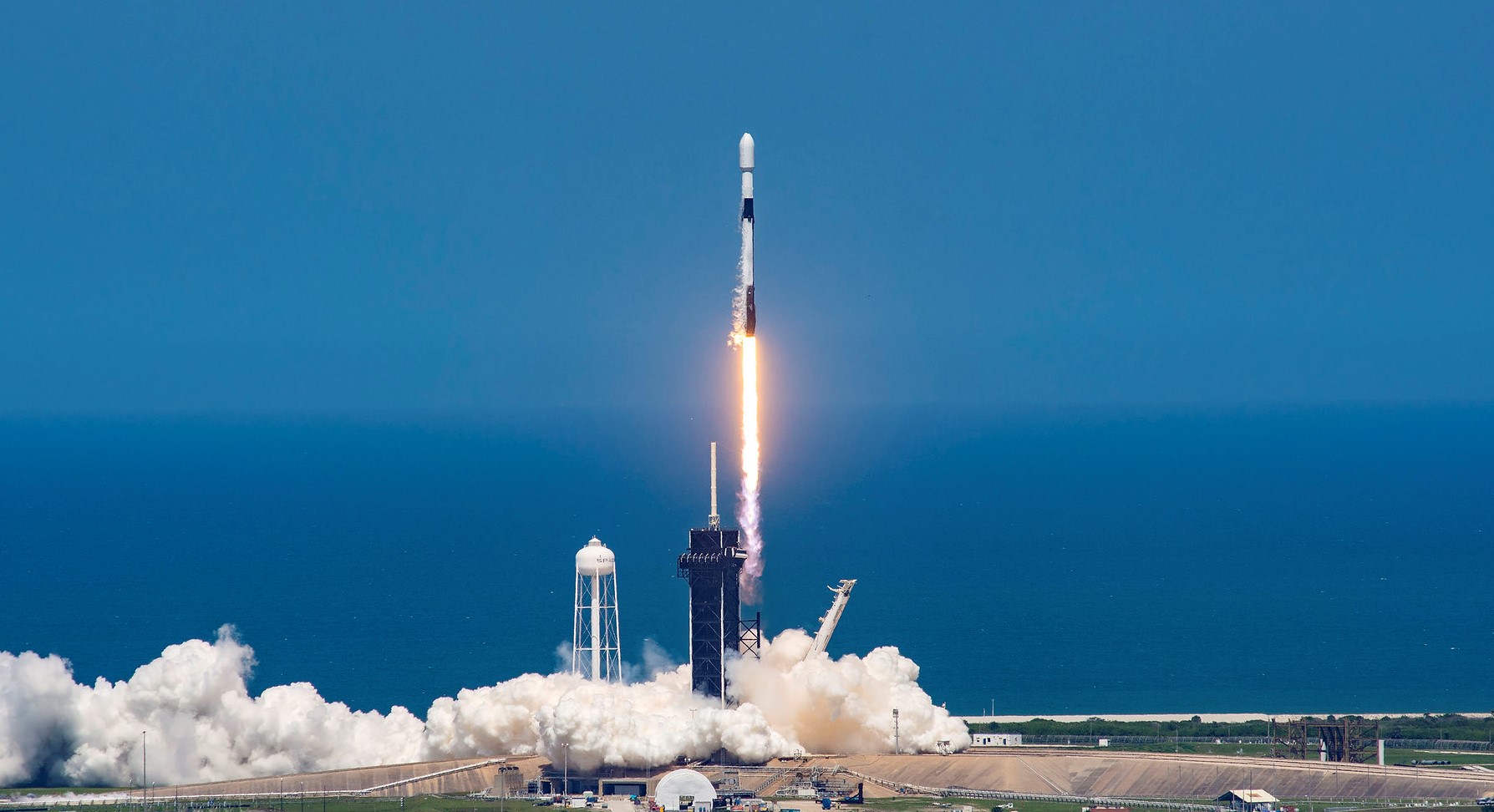
Launch facts
| Rocket | Falcon 9 Block 5 |
| Operator | SpaceX |
| Pad | Space Launch Complex 40, Cape Canaveral SFS, FL, USA |
| T-0 (UTC) | 11 April 2026 at 11:41 |
| Status | Success |
Did the launch succeed?
Yes. A SpaceX Falcon 9 Block 5 successfully launched the Cygnus CRS-2 NG-24 cargo freighter — named S.S. Steven R. Nagel — toward the International Space Station at 11:41:21 UTC on 11 April 2026 from Space Launch Complex 40 at Cape Canaveral Space Force Station, Florida. The Cygnus resupply spacecraft is a Northrop Grumman-built automated cargo vehicle that delivers food, hardware, and science experiments to the orbiting laboratory.
What is Cygnus and the NG-24 mission?
Cygnus is an uncrewed logistics spacecraft that has flown NASA's Commercial Resupply Services (CRS) contracts since 2013. Each vehicle is traditionally named after a person significant to human spaceflight; NG-24's freighter honors Steven R. Nagel, a veteran NASA astronaut who flew four Space Shuttle missions.
The Cygnus carries pressurized cargo to the ISS, which orbits Earth at roughly 400 km altitude and completes an orbit about every 90 minutes. After delivering its cargo, Cygnus spacecraft typically remain berthed for several months before a destructive reentry that also disposes of station waste.
Why did a Falcon 9 launch Cygnus?
Cygnus historically flew on Northrop Grumman's Antares rocket and, at times, on United Launch Alliance's Atlas V. Following the retirement of the Antares 230+ and a redesign of its first stage, Northrop Grumman contracted SpaceX's Falcon 9 to bridge cargo flights to the ISS. NG-24 continues that arrangement, with SpaceX providing the ride to low Earth orbit.
What rocket flew the mission?
The Falcon 9 Block 5 is SpaceX's two-stage, partially reusable orbital launch vehicle and the most-flown rocket in the world. Its first stage is powered by nine Merlin 1D engines burning RP-1 kerosene and liquid oxygen, and boosters routinely fly and land multiple times. The Block 5 configuration debuted in 2018 and has since become the backbone of both commercial and NASA launch cadence.
| Detail | Value |
|---|---|
| Rocket | Falcon 9 Block 5 |
| Payload | Cygnus CRS-2 NG-24 (S.S. Steven R. Nagel) |
| Provider | SpaceX |
| Launch site | SLC-40, Cape Canaveral SFS, Florida |
| Liftoff (UTC) | 11 April 2026, 11:41:21 |
| Destination | International Space Station (~400 km LEO) |
| Result | Success |
Where did it launch from?
The mission lifted off from Space Launch Complex 40 (SLC-40), one of SpaceX's primary Florida launch pads. The pad supports a large share of the company's Falcon 9 flights, including Starlink deployments, commercial satellites, and cargo missions to the ISS. You can explore the launch site and other active pads on our Cape Canaveral launch hub.
How did the launch profile work?
Falcon 9 followed a standard cargo-to-ISS ascent profile. The nine Merlin engines fired at liftoff before main engine cutoff and stage separation, after which the second stage's single vacuum-optimized Merlin continued the burn to place Cygnus into its initial parking orbit. The first stage performed its return and landing, consistent with SpaceX's reusable booster operations.
Once separated, the Cygnus spacecraft began a multi-day rendezvous sequence to catch up with the ISS. Upon arrival, the station's robotic Canadarm2 grapples the freighter and berths it to a Node module port, where crew unload the pressurized cargo.
How to follow the spacecraft in orbit
The deployed Cygnus and the ISS itself can be followed in real time. Track the station on our live ISS tracker, or watch the full picture of every satellite in orbit on the Cosmik 3D live map. For upcoming flights, see the full rocket launch schedule and the dedicated SpaceX launch page.
Why does NG-24 matter?
Commercial cargo missions like NG-24 keep the ISS stocked with the roughly 3,000+ kg class of supplies and experiments that sustain continuous human presence in orbit. With two independent U.S. cargo providers — SpaceX's Dragon and Northrop Grumman's Cygnus — NASA maintains resilient logistics to the station. The launch data referenced here originates from public launch records aggregated via The Space Devs API.
Background sources
Follow the mission live
Follow Cygnus NG-24 and the International Space Station in real time on Cosmik's free 3D live map, and enable free launch alerts on our launch news feed so you never miss the next flight to orbit.
Follow this mission live in 3D and get a free alert before liftoff.
Open the live map →Sources
Next launches
- Dragon CRS-2 SpX-35 — launch time & how to watch — 13 October 2026, 10:33 UTC
- Martian Moon eXplorer (MMX) — launch time & how to watch — 19 October 2026, 19:41 UTC
- Amazon Leo (LV-01) — launch time & how to watch — 29 October 2026
More launch coverage
- Falcon 9 Starlink Group 17-27: Launch Success (April 15, 2026) — 15 April 2026, 04:29 UTC
- Starlink Group 10-24: Falcon 9 Launch Recap (14 Apr 2026) — 14 April 2026, 09:33 UTC
- Kinetica 1 Launches 8 Jilin-1 Satellites — 14 April 2026 Recap — 14 April 2026, 04:03 UTC
- Smart Dragon 3 Launches SatNet Test Satellite — 11 April 2026 Recap — 11 April 2026, 11:32 UTC
- Falcon 9 Starlink Group 17-21 Launch Recap: Success on 11 April 2026 — 11 April 2026, 05:04 UTC
- Long March 6A Launches SatNet LEO Group 21 — 8 April 2026 Recap — 8 April 2026, 19:38 UTC