O3b mPower 11-13 — launch time & how to watch
Published · Updated
SpaceXFalcon 9O3b mPOWERSESpreview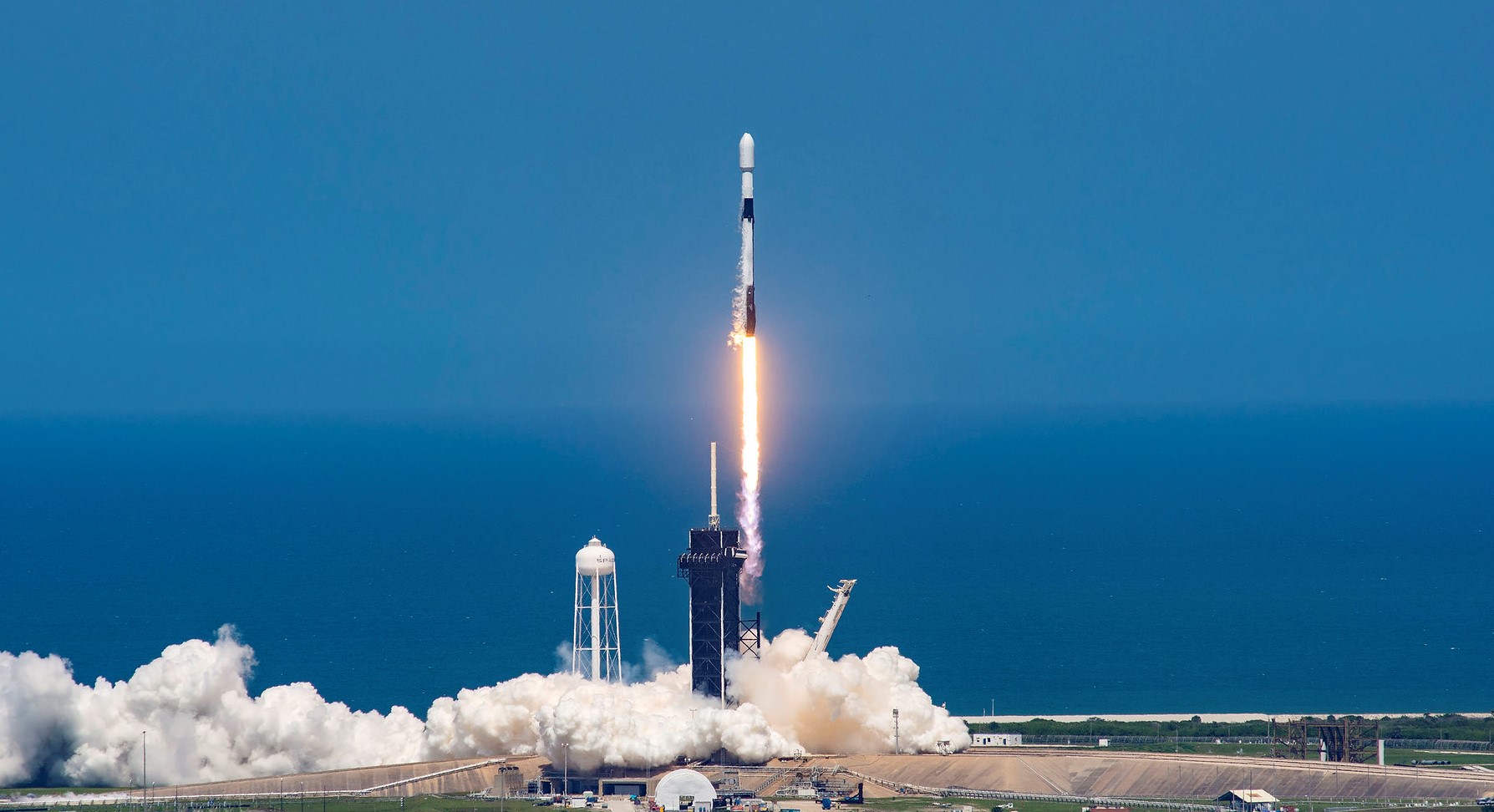
Launch facts
| Rocket | Falcon 9 Block 5 |
| Operator | SpaceX |
| Pad | Unknown Pad, Cape Canaveral SFS, FL, USA |
| T-0 (UTC) | 13 September 2026 at 18:49 |
| Status | Success |
SpaceX is scheduled to launch three O3b mPOWER broadband satellites for SES on 30 September 2026 aboard a Falcon 9 Block 5 from Cape Canaveral Space Force Station, Florida. The mission, designated O3b mPOWER 11-13, will deliver its payloads toward medium Earth orbit (MEO).
O3b mPOWER is SES's second-generation constellation of high-throughput satellites operating in MEO at roughly 8,000 km altitude, designed to deliver low-latency broadband connectivity to governments, telecom operators, cruise lines, and remote enterprises worldwide.
When is the launch?
The launch is set for 30 September 2026 at 00:00 UTC from a pad at Cape Canaveral Space Force Station. The status is currently listed as TBD, meaning the exact time and pad assignment can shift as the date approaches. Check the rocket launch schedule for the latest confirmed window.
Where is it launching from?
The mission flies from Cape Canaveral Space Force Station in Florida, one of the busiest orbital launch sites on the planet. See other missions from the site on our Cape Canaveral launch hub.
What is the payload?
The Falcon 9 will carry three O3b mPOWER satellites, numbered 11 through 13 in the constellation sequence. Built by Boeing for SES, each mPOWER satellite features a fully digital, software-defined payload with thousands of dynamically steerable beams, allowing capacity to be shifted in real time to where demand is highest.
Key facts about the O3b mPOWER system:
- Orbit: Medium Earth orbit at approximately 8,000 km altitude
- Operator: SES, the Luxembourg-based satellite operator
- Manufacturer: Boeing Satellite Systems
- Mission profile: Three satellites per Falcon 9 flight
The mPOWER constellation succeeds SES's original O3b network, the first commercial MEO broadband system, which entered service in 2014. The second generation trades a large number of fixed-beam satellites for fewer, far more capable digital platforms.
What rocket is being used?
The mission uses a Falcon 9 Block 5, SpaceX's workhorse two-stage rocket and the most-flown orbital vehicle in operation. The Block 5 first stage is designed for rapid reuse, with individual boosters having flown more than 20 missions each. The rocket stands about 70 meters tall and can lift over 22 tonnes to low Earth orbit in expendable configuration, though MEO deployments to high energy orbits reduce usable performance.
SpaceX has been the launch partner for the O3b mPOWER program across multiple missions, delivering satellites in batches to build out the constellation. Explore more SpaceX flights on our SpaceX launch hub.
How to watch live
SpaceX typically streams Falcon 9 launches on its official channels beginning roughly 15 minutes before liftoff. Because O3b mPOWER missions target MEO, the flight profile is longer than a standard LEO deployment, with an extended coast and second-stage burn before satellite separation.
You can follow the countdown, watch the rocket's trajectory, and track the newly deployed satellites in real time on the Cosmik 3D live map. Once the mPOWER satellites separate and begin raising to their operational MEO altitude, they will appear alongside every other object in orbit.
Why does this mission matter?
Each mPOWER launch materially expands SES's global broadband capacity. The constellation is central to connectivity contracts spanning maritime, aviation, government, and cellular backhaul markets. Adding satellites 11 through 13 continues the build-out of a network engineered to serve high-demand regions with fiber-like performance from space.
For readers new to orbital tracking, our guide on how to track satellites explains how to spot and follow spacecraft after they reach orbit. Launch data on this page is sourced from The Space Devs Launch Library.
Background
- Falcon 9 — SpaceX's reusable orbital rocket
- O3b mPOWER — SES's second-generation MEO constellation
- Cape Canaveral Space Force Station — the launch site
Follow the launch live
Watch the Falcon 9 O3b mPOWER 11-13 mission unfold on the Cosmik live 3D solar system and satellite map, and enable free launch alerts so you never miss liftoff. Stay current with the latest launch news and browse the full upcoming launch schedule.
Follow this mission live in 3D and get a free alert before liftoff.
Open the live map →Sources
Next launches
- Dragon CRS-2 SpX-35 — launch time & how to watch — 13 October 2026, 10:33 UTC
- Martian Moon eXplorer (MMX) — launch time & how to watch — 19 October 2026, 19:41 UTC
- Amazon Leo (LV-01) — launch time & how to watch — 29 October 2026
More launch coverage
- Glonass-K1 No. 20 (?) — launch time & how to watch — 17 September 2026, 16:50 UTC
- Progress MS-35 (96P) — launch time & how to watch — 16 September 2026, 13:33 UTC
- Sentinel-3C & FLEX on Vega-C — launch time & how to watch — 15 September 2026, 01:21 UTC
- Happily Ever Faster (BlackSky Gen-3 5) — launch time & how — 11 September 2026, 03:28 UTC
- SpaceX Falcon 9 USSF-xxx ("R-2") Launch: Sept 10, 2026 — 10 September 2026, 15:42 UTC
- Starlink Group 15-24: Falcon 9 Launch Sept 6, 2026 — 6 September 2026, 14:26 UTC