Cosmik

Starlink Group 10-39: Falcon 9 Launch Aug 20, 2026

Published · Updated

StarlinkSpaceXFalcon 9Cape CanaveralpreviewStarlink Group 10-39: Falcon 9 Launch Aug 20, 2026

Launch facts

RocketFalcon 9 Block 5
OperatorSpaceX
PadSpace Launch Complex 40, Cape Canaveral SFS, FL, USA
T-0 (UTC)20 August 2026 at 15:19
StatusGo

🚀 Liftoff in 6 days — 20 August 2026, 15:19 UTC

Set for 20 August 2026, 15:19 UTC. Dates slip constantly: holds, weather, range conflicts. We'll alert you if it moves or scrubs, and again about an hour before liftoff.

Free · no account · unsubscribe anytime

✈ Telegram

SpaceX will launch Starlink Group 10-39, a batch of broadband internet satellites, on a Falcon 9 Block 5 rocket from Space Launch Complex 40 at Cape Canaveral Space Force Station, Florida, on August 20, 2026 at 15:19 UTC. The mission status is currently Go.

Starlink is SpaceX's low-Earth-orbit constellation delivering high-speed internet worldwide. Each Group 10-39 mission adds satellites to a network that has already surpassed 8,000 operational spacecraft, making it by far the largest satellite constellation ever built.

When is the launch?

Liftoff is scheduled for August 20, 2026 at 15:19 UTC from SLC-40. Falcon 9 typically has an instantaneous or short launch window for Starlink deployments; if weather or technical issues intervene, SpaceX generally has backup windows on subsequent days.

DetailInformation
MissionStarlink Group 10-39
RocketFalcon 9 Block 5
ProviderSpaceX
PadSLC-40, Cape Canaveral SFS, Florida
Launch time (UTC)2026-08-20 15:19
StatusGo

What is the payload?

The payload is a stack of Starlink v2 Mini satellites bound for low Earth orbit, typically at an operational altitude near 550 km. These satellites feature upgraded phased-array antennas and laser inter-satellite links that route traffic in space without ground relays. According to SpaceX, each v2 Mini delivers several times the bandwidth of earlier generations.

The "Group 10" designation refers to a specific orbital shell and inclination within the constellation. SpaceX has flown hundreds of dedicated Starlink missions, and each launch places dozens of spacecraft into orbit in a single flight.

How to watch live

SpaceX streams its Starlink launches on X (formerly Twitter) beginning roughly five minutes before liftoff. Coverage includes the launch, first-stage separation, booster landing, and second-stage engine cutoff.

You can also follow the mission on Cosmik's rocket launch schedule and watch the rocket and its deployed satellites in our live 3D solar system map. After deployment, the fresh batch appears as a bright Starlink train visible from the ground for the first few nights.

Will the booster land?

Falcon 9 Block 5 is designed for rapid reuse, and SpaceX routinely recovers the first stage on an autonomous drone ship stationed in the Atlantic Ocean for east-coast Starlink flights. Individual boosters in the fleet have flown more than 20 times each, a reuse record that underpins SpaceX's high launch cadence. The two payload fairing halves are also recovered and reflown.

Why does this launch matter?

Starlink now serves millions of subscribers across more than 100 countries, providing connectivity to remote regions, ships, aircraft, and disaster zones. Every Group 10-39-type mission incrementally expands coverage and capacity. SpaceX has launched Starlink at a pace of more than 100 dedicated flights per year, driving the constellation toward a planned size of tens of thousands of satellites.

Cape Canaveral cadence

SLC-40 is one of SpaceX's busiest pads, hosting frequent Falcon 9 missions alongside nearby LC-39A. The combined Florida infrastructure lets SpaceX turn pads around in days. Explore more from this site on our Cape Canaveral launch hub and browse all upcoming SpaceX missions.

Launch data is sourced from The Space Devs Launch Library. Background on the vehicle and operator is available via Falcon 9, SpaceX, and Starlink.

Follow the launch live

Track Starlink Group 10-39 in real time on Cosmik's live 3D map, follow the newest deployments on our Starlink satellite tracker, and check the latest launch news. Enable free launch alerts so you never miss liftoff.

Follow this mission live in 3D and get a free alert before liftoff.

Open the live map

Sources

Next launches

More launch coverage

✦ Premium

Cosmik Pro

When clouds kill the pass, Pro tells you where nearby the sky WILL be clear — and how far. Plus your own alert timing, several locations, every visible pass instead of just the next one, and no ads.

or pay now

🔒 Secure checkout by Stripe · 14-day money-back · cancel anytime

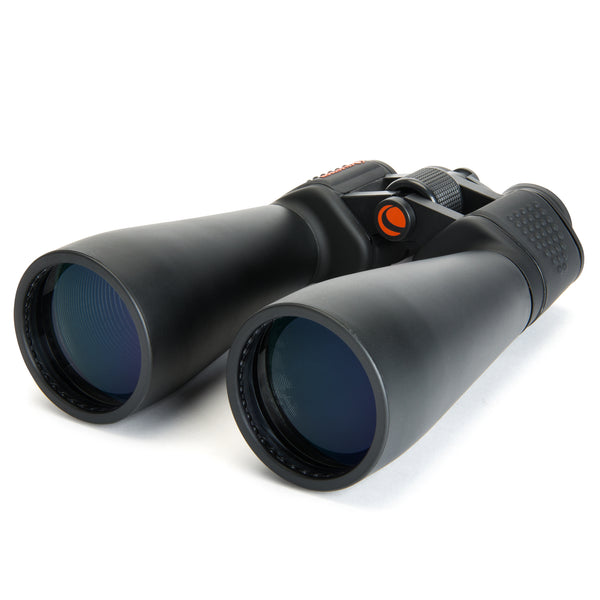
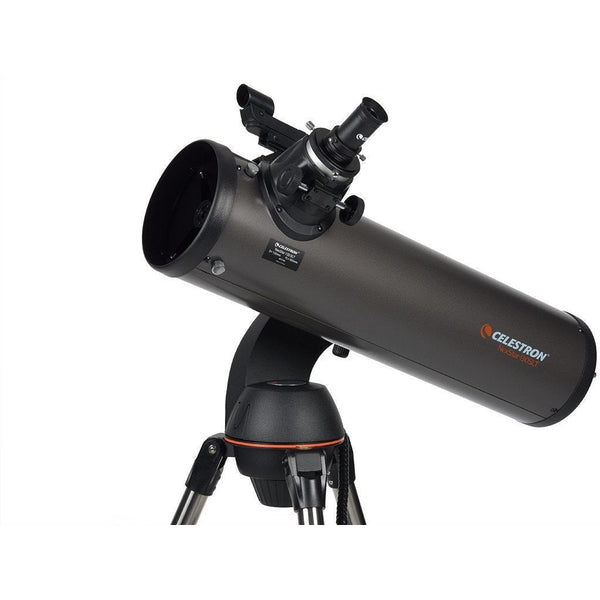
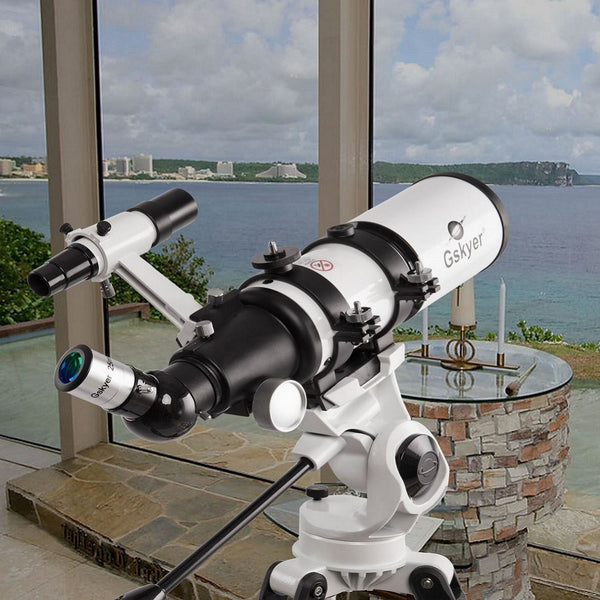
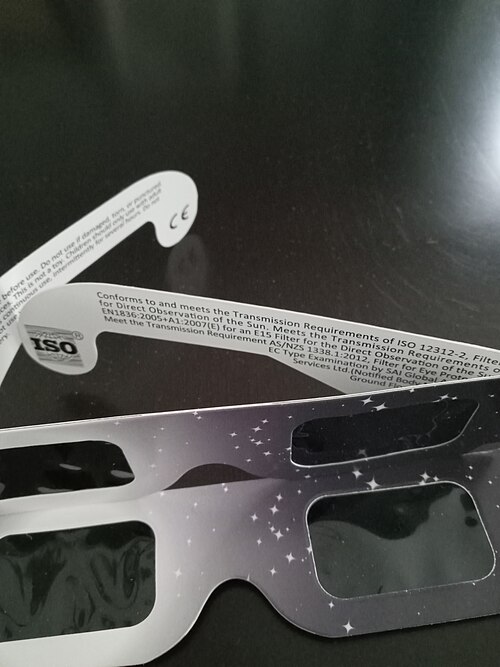
Gear worth looking up with

As an Amazon Associate, Cosmik earns from qualifying purchases. Prices indicative. Glasses photo CC BY-SA (Wikimedia Commons).