Cosmik

Glonass-K1 No. 19 Launch: Soyuz 2.1b Set for July 31, 2026

Published · Updated

Glonass-K1GLONASSSoyuz 2.1bFregatpreviewGlonass-K1 No. 19 Launch: Soyuz 2.1b Set for July 31, 2026

Launch facts

RocketSoyuz 2.1b/Fregat
OperatorRussian Space Forces
PadUnknown Pad, Plesetsk Cosmodrome, Russian Federation
T-0 (UTC)31 July 2026 at 00:00
StatusTBD

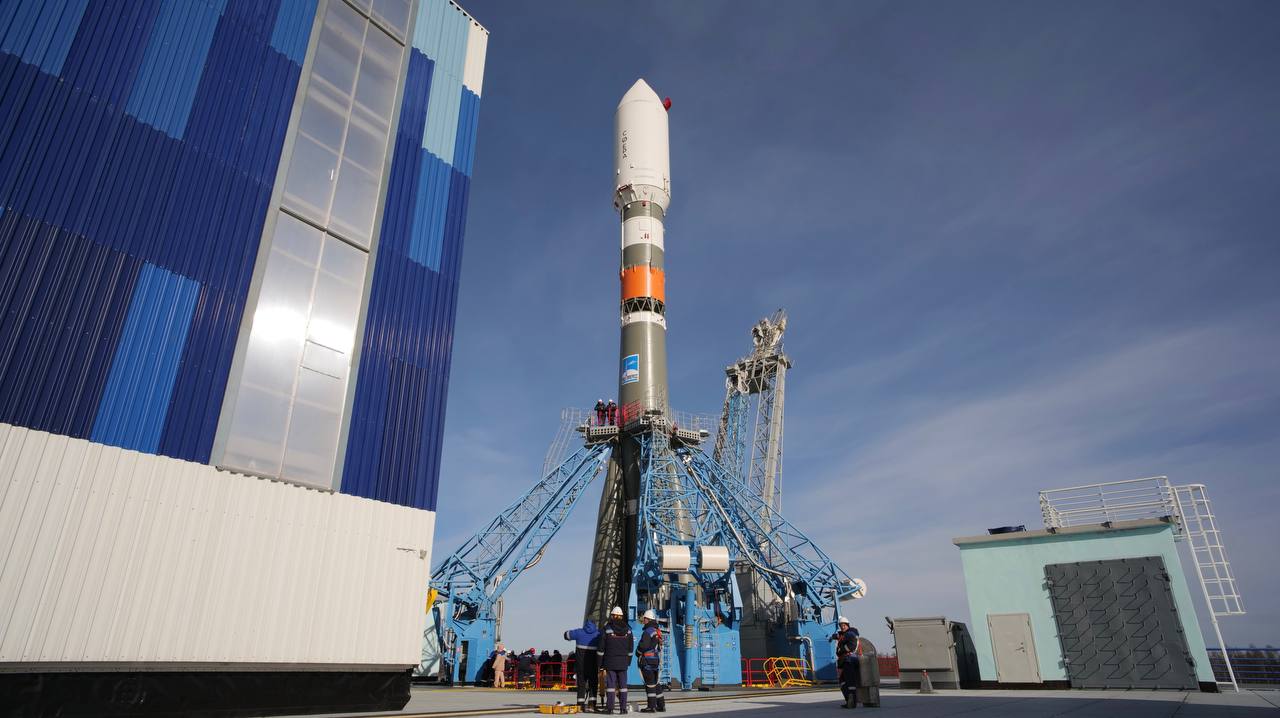
A Soyuz 2.1b/Fregat rocket is scheduled to launch the Glonass-K1 No. 19 navigation satellite from Plesetsk Cosmodrome, Russia, no earlier than July 31, 2026, at 00:00 UTC. The mission, operated by the Russian Space Forces, will add a new spacecraft to Russia's GLONASS satellite navigation constellation.

What is Glonass-K1?

Glonass-K1 is a Russian navigation satellite, the newest generation in the GLONASS system — Russia's equivalent of the American GPS. GLONASS provides global positioning, navigation, and timing services from a constellation of satellites in medium Earth orbit. The full operational constellation consists of 24 satellites distributed across three orbital planes at an altitude of roughly 19,100 kilometers, each completing an orbit in about 11 hours and 15 minutes.

The Glonass-K series introduced an unpressurized platform, longer operational lifetimes, and additional navigation signals compared to the earlier Glonass-M satellites. This flight carries unit No. 19 in the program's numbering.

When is the launch?

The launch is targeted for July 31, 2026, at 00:00 UTC from Plesetsk Cosmodrome in northern Russia. The status is currently listed as TBD, meaning the date and time may shift. Plesetsk, located about 800 kilometers north of Moscow, is the primary spaceport for Russian military and navigation launches into high-inclination orbits.

DetailInformation
MissionGlonass-K1 No. 19
RocketSoyuz 2.1b/Fregat
ProviderRussian Space Forces
Launch sitePlesetsk Cosmodrome, Russia
Target date/timeJuly 31, 2026, 00:00 UTC
StatusTBD

What rocket is launching it?

The Soyuz 2.1b is the modern digital-flight-control variant of the venerable Soyuz family, which traces its lineage to the R-7 rocket that launched Sputnik in 1957. The 2.1b upgrade features an improved RD-0124 third-stage engine for higher performance. For high-energy orbits like the GLONASS medium Earth orbit, the rocket is paired with the Fregat upper stage — a restartable, self-contained vehicle that performs the multiple burns needed to place a single navigation satellite into its precise operational slot.

This three-stage-plus-Fregat configuration is the standard workhorse for delivering GLONASS spacecraft to their circular medium Earth orbits.

How to watch live

Russian Space Forces launches from Plesetsk are typically conducted with minimal public broadcast, and coverage is often limited or unavailable. Confirmation of the launch and outcome usually comes through official Russian Ministry of Defence and Roscosmos statements after liftoff.

You can follow the countdown, track the launch window, and watch the deployed satellite join the GLONASS constellation in real time on Cosmik:

Why does this launch matter?

Each Glonass-K1 launch sustains and modernizes Russia's global navigation capability. Maintaining the 24-satellite operational constellation requires periodic replacement launches as older Glonass-M spacecraft reach the end of their service lives. The Glonass-K generation extends the system's lifespan and improves signal accuracy for both civilian and military users across the globe.

Navigation satellites in medium Earth orbit remain in service for well over a decade, so replenishment flights like this one are infrequent but essential for constellation health.

Where does the launch data come from?

Launch details are drawn from public spaceflight databases, including The Space Devs Launch Library. Background on the vehicle and program is well established via Soyuz-2, GLONASS, and Plesetsk Cosmodrome.

Follow the Glonass-K1 No. 19 launch live on Cosmik. Enable free launch alerts to get notified before liftoff, and watch the new navigation satellite join the GLONASS constellation on our real-time 3D map of the solar system and everything in orbit.

Follow this mission live in 3D and get a free alert before liftoff.

Open the live map

Sources

Next launches

Free · 10 seconds

Get a ping before it happens

“ISS over you in 10 minutes.” “Starship launches in 1 hour.” Browser or email — your pick, always free.

🔔 Turn on my alerts

Push & email · no account needed

📲 Or follow every alert on Telegram →

Early access

Cosmik Pro is coming

Unlimited alerts, 1h-early priority warnings, astrophoto planner, multiple locations — and no ads, ever. Waitlist members get 50% off at launch.