USSF-366 on Falcon 9 Block 5 — launch time & how to watch
Published · Updated
Falcon 9SpaceXR-1Vandenbergpreview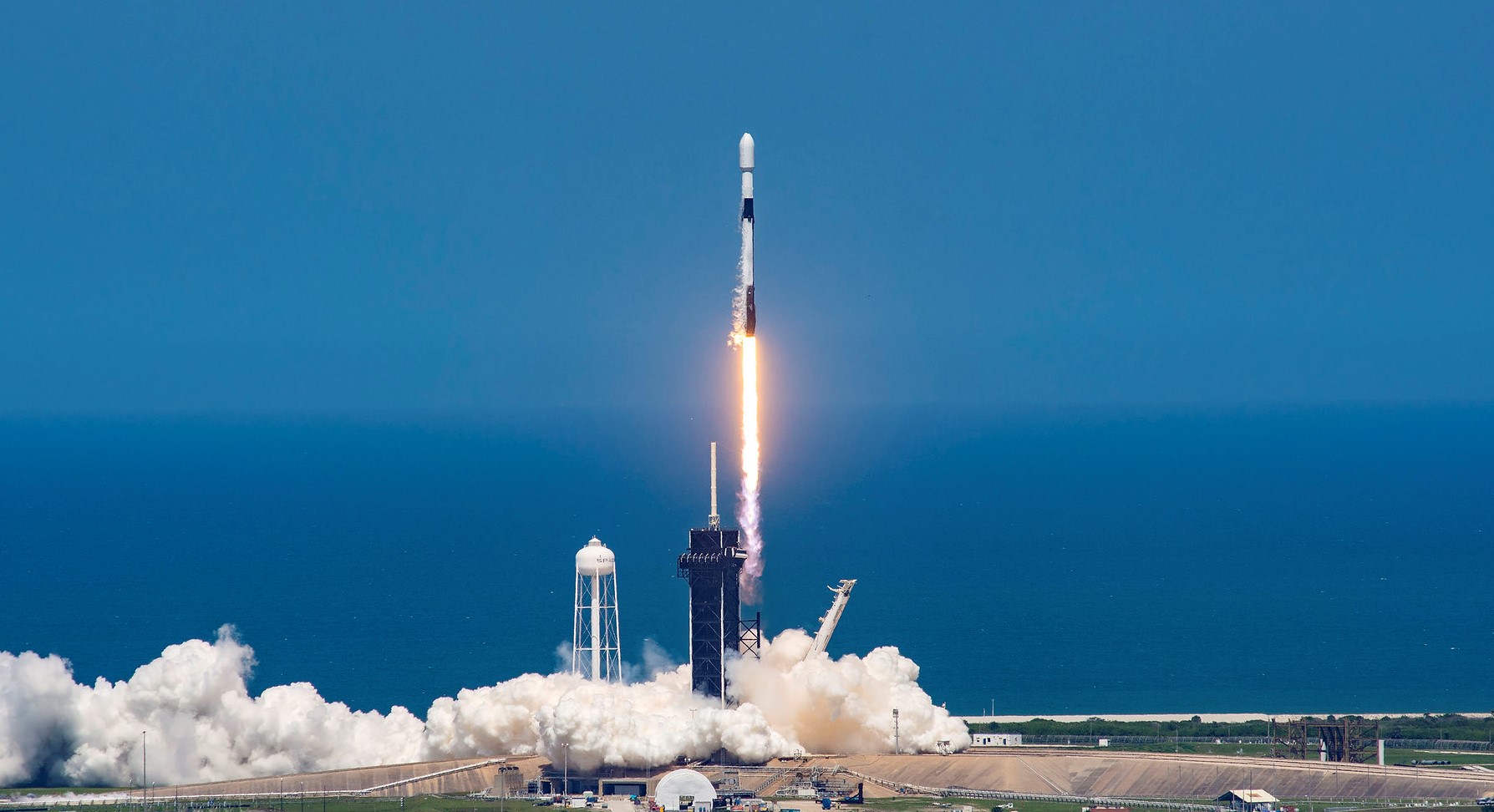
Launch facts
| Rocket | Falcon 9 Block 5 |
| Operator | SpaceX |
| Pad | Space Launch Complex 4E, Vandenberg SFB, CA, USA |
| T-0 (UTC) | 16 August 2026 at 01:50 |
| Status | Success |
What is the R-1 mission?
R-1 is a satellite payload set to launch on a SpaceX Falcon 9 Block 5 rocket from Space Launch Complex 4E (SLC-4E) at Vandenberg Space Force Base, California. The launch is currently targeted for August 15, 2026, at 21:52 UTC, though the schedule remains to be confirmed (status: TBC).
The Falcon 9 Block 5 is a two-stage, partially reusable orbital rocket standing about 70 meters tall and capable of lifting roughly 22,800 kg to low Earth orbit. It is the workhorse of the global launch industry, flying more often than any other operational vehicle.
When is the launch?
The current no-earlier-than (NET) liftoff time is 21:52 UTC on August 15, 2026. Because the status is listed as to-be-confirmed, the date and time may shift; check the rocket launch schedule for the latest update. Local time at Vandenberg (Pacific) would be 2:52 PM PDT.
| Detail | Value |
|---|---|
| Mission | R-1 |
| Rocket | Falcon 9 Block 5 |
| Provider | SpaceX |
| Launch pad | SLC-4E, Vandenberg SFB, California |
| NET (UTC) | 2026-08-15 21:52 |
| Status | To Be Confirmed |
Where is it launching from?
The mission lifts off from Space Launch Complex 4E at Vandenberg Space Force Base on California's central coast. SLC-4E is SpaceX's primary West Coast pad and is used almost exclusively for launches into polar and sun-synchronous orbits, which require a southerly trajectory over the Pacific Ocean. See more missions from this site on our Vandenberg launch hub.
Why Vandenberg for polar orbits?
Launching south from Vandenberg allows rockets to reach high-inclination and sun-synchronous orbits without flying over populated land. These orbits are ideal for Earth-observation, reconnaissance, and certain communications constellations that need consistent global coverage.
How does Falcon 9 reusability work?
The Falcon 9 Block 5 first stage is designed to fly and land repeatedly. Individual boosters in the fleet have each flown more than 20 times, and SpaceX routinely recovers the stage on either a drone ship stationed offshore or, for lighter payloads, back at a landing zone. Reusing boosters and payload fairings has driven SpaceX's cadence to well over 100 launches per year.
- Stage 1: Reusable first stage with nine Merlin engines, targeted for recovery after separation.
- Stage 2: Single vacuum-optimized Merlin engine that delivers the payload to its final orbit.
- Fairing: Two-piece protective shell, recovered from the ocean and reflown.
How to watch the R-1 launch live
SpaceX typically streams Falcon 9 launches beginning roughly 15 minutes before liftoff via its official channels. To follow the countdown, trajectory, and the vehicle in orbit, track everything in real time on Cosmik's live 3D solar system and satellite map. You can also monitor the mission on our SpaceX launch tracker and browse the full latest launch news.
Follow the payload after deployment
Once R-1 separates and begins circling Earth, you can watch its orbital path live and learn how to track satellites yourself using Cosmik's tools.
What to expect on launch day
A standard Falcon 9 flight profile from SLC-4E includes main engine cutoff and stage separation about 2.5 minutes after liftoff, followed by the second-stage burn and, for a recovered booster, a landing burn shortly thereafter. Payload deployment timing depends on the target orbit and is confirmed by SpaceX in the mission timeline. Because R-1 is still listed as TBC, weather, range availability, and technical readiness could all move the date.
For background on the vehicle, operator, and spaceport, see the Wikipedia entries for the Falcon 9, SpaceX, and Vandenberg Space Force Base. Launch data is sourced from The Space Devs Launch Library.
Track R-1 live on Cosmik
Don't miss liftoff. Follow the R-1 mission on Cosmik's real-time 3D map, check the countdown on our launch schedule, and enable free launch alerts so you're notified the moment the window opens.
Follow this mission live in 3D and get a free alert before liftoff.
Open the live map →Sources
Next launches
- Dragon CRS-2 SpX-35 — launch time & how to watch — 13 October 2026, 10:33 UTC
- Martian Moon eXplorer (MMX) — launch time & how to watch — 19 October 2026, 19:41 UTC
- Amazon Leo (LV-01) — launch time & how to watch — 29 October 2026
More launch coverage
- Long March 2C Launch: Aug 17, 2026 Time & Live Stream — 17 August 2026, 03:02 UTC
- Unknown Payload on Long March 12 — launch time & how to watch — 16 August 2026, 04:10 UTC
- SatNet LEO Group 24 — launch recap (16 August 2026) — 16 August 2026, 04:10 UTC
- Globalstar 2-R Mission 1 (x 8) — launch recap — 16 August 2026, 01:12 UTC
- Falcon 9 Globalstar 2-R Mission 1: Aug 16, 2026 Launch — 16 August 2026, 01:12 UTC
- Starlink Group 17-49 — launch recap (12 August 2026) — 12 August 2026, 04:46 UTC