ISS over Frankfurt — next pass times
Upcoming International Space Station passes over Frankfurt, Germany for the next 3 days, in local Frankfurt time — computed from the latest orbital data and refreshed automatically.
🛰 Next ISS pass over Frankfurt
Thursday 15 Oct · 06:27 · 12°
🛰 Next visible pass after this one over Frankfurt: Fri 16 Oct, 07:15
We'll email you the day before — and before every genuinely visible pass after that. Most crossings happen in daylight; we skip those.
Free · no account · unsubscribe anytime
✈ Telegram3D sky view · track the ISS in real time
| Date | Local time | Max height | Lasts | Viewing |
|---|---|---|---|---|
| Sunday 11 Oct | 08:00 | 12° | ~3 min | ☀ daylight |
When will the International Space Station pass over Frankfurt?
ISS stands for the International Space Station — the largest and brightest human-made object in orbit around Earth. Passes over Frankfurt above 10° in the next 10 days: 47. Of those, visible to the naked eye: 9.
The next pass of the International Space Station over Frankfurt is on Sunday 11 Oct at 08:00 local time, reaching 12° above the horizon. The next pass you can actually see is on Thursday 15 Oct at 06:27 (12° above the horizon).
How to spot it
- Look for a bright, fast “star” that doesn't blink — the ISS outshines everything except the Moon and Venus.
- It moves west to east, crossing the whole sky in 3–6 minutes.
- Evening and pre-dawn passes are the visible ones — the station must be sunlit while your sky is dark. Daytime passes in the table are invisible to the eye.
- Frankfurt sits within the ISS's orbital band, so it can pass nearly straight overhead — those 70°+ passes are spectacular.
Get a reminder before Frankfurt's next pass
Cosmik can send a free email the day before a visible pass at your exact location — sharper than any fixed city table. Enable free pass alerts.
This city elsewhere on Cosmik
- Aurora forecast for Frankfurt — northern lights tonight?
- Solar eclipse of 2 Aug 2027 from Frankfurt: 45% of the Sun covered — times
Gear worth looking up with
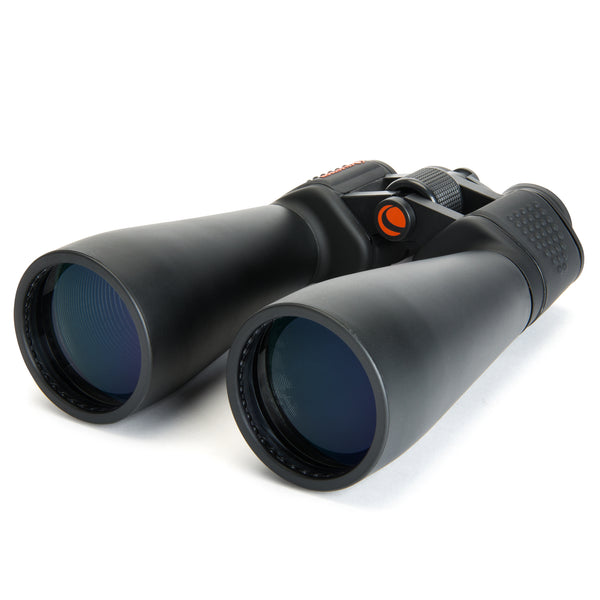 Binoculars
Celestron SkyMaster 15×70
The big-aperture classic: ISS passes, Moon craters, star clusters.
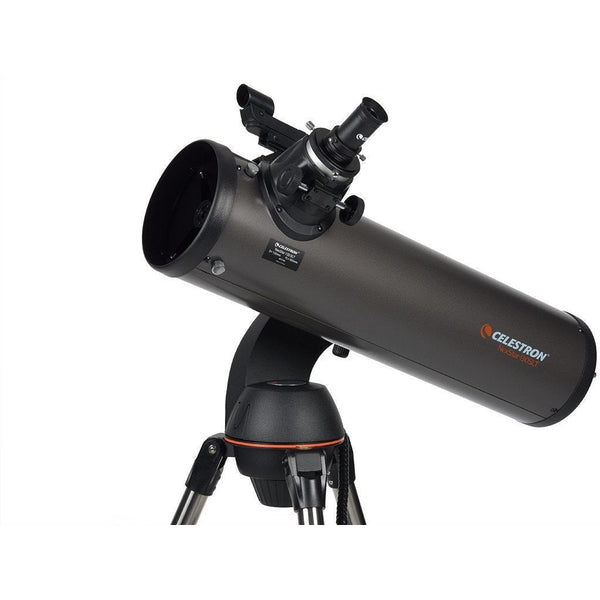 Telescope · GoTo
Celestron NexStar 130SLT
Finds 4,000 objects for you. The best-selling first serious scope.
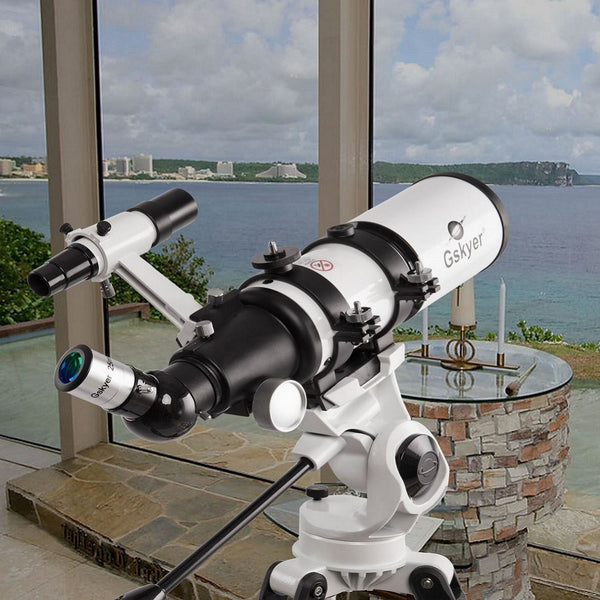 Starter scope
Gskyer 70mm AZ
Light, simple, kid-proof — Moon & planets from a balcony.
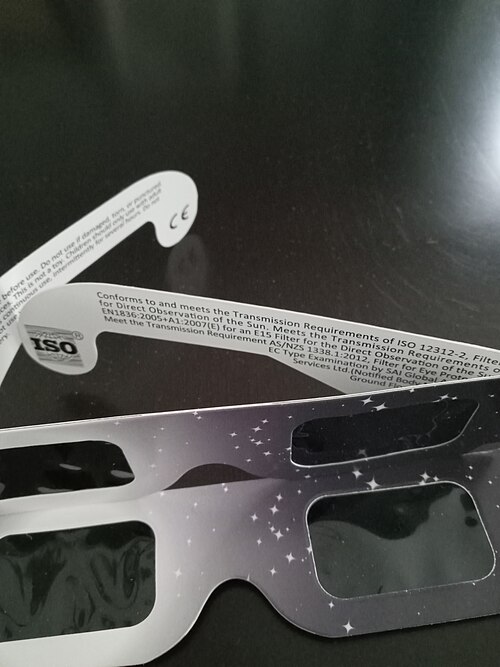 Eclipse · Aug 12
ISO 12312-2 eclipse glasses
Certified solar viewers — the only safe way to watch the eclipse.
As an Amazon Associate, Cosmik earns from qualifying purchases. Prices indicative. Glasses photo CC BY-SA (Wikimedia Commons).