Solar eclipse in Baghdad, 2 August 2027: 56%
56% of the Sun covered · maximum 13:14 (UTC+3)
No — Baghdad sees a partial eclipse: at maximum (13:14, UTC+3) about 56% of the Sun is covered. The nearest totality on our list is Marsa Alam, about 1300 km away (5m 30s).
Local circumstances — 2 August 2027
| Partial eclipse begins | 12:00 |
|---|---|
| Maximum eclipse | 13:14 |
| Partial eclipse ends | 14:23 |
| Sun covered at maximum | 56% |
| Magnitude | 0.635 |
| Sun altitude at maximum | 69° |
Local time (UTC+3). Computed from NASA's Besselian elements for this eclipse; accurate to about a minute.
🌑 Get a reminder before the eclipse
The timing for your area and how to watch it safely, before the day.
Free · no account · unsubscribe anytime
✈ TelegramFrequently asked questions
Is the 2027 eclipse total in Baghdad?
No — Baghdad sees a partial eclipse: at maximum (13:14, UTC+3) about 56% of the Sun is covered. The nearest totality on our list is Marsa Alam, about 1300 km away (5m 30s). Marsa Alam →
What time is the eclipse in Baghdad?
The partial phase begins at 12:00, maximum is at 13:14 and it ends at 14:23 (local time, UTC+3).
Do I need eclipse glasses?
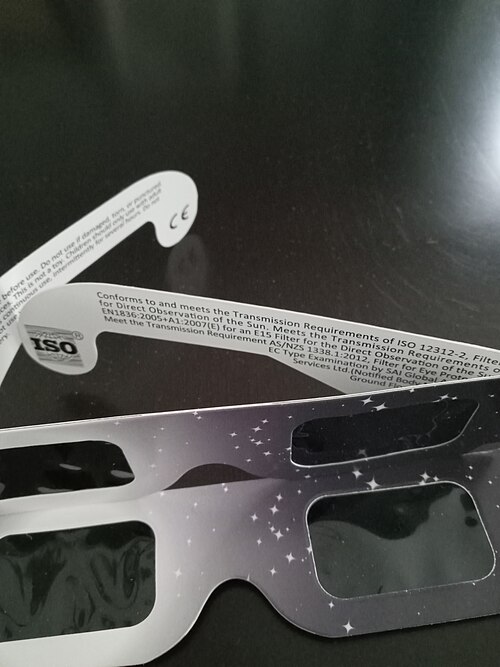
Yes, for the entire event — even at a 99% partial eclipse there is NO safe naked-eye moment. Certified ISO 12312-2 glasses only; sunglasses never qualify.
Why is the 2 August 2027 eclipse special?
It is the longest total eclipse on land between 1991 and 2114: up to 6 min 23 s near Luxor, Egypt. The path crosses the Strait of Gibraltar and southern Spain, northern Morocco, Algeria, Tunisia, Libya, Egypt, Saudi Arabia, Yemen and Somalia — mid-morning in Spain, around midday in Egypt.
More for your sky
The 2 August 2027 eclipse guide · Certified eclipse glasses · Every city: the 2027 eclipse · Luxor · Qena · Benghazi · Asyut · Abha · Jeddah · Sfax · Marsa Alam