ConnectedCosmos Launch 1 — launch time & how to watch
Published · Updated
Firefly AerospaceFirefly AlphaConnectedCosmosVandenbergpreview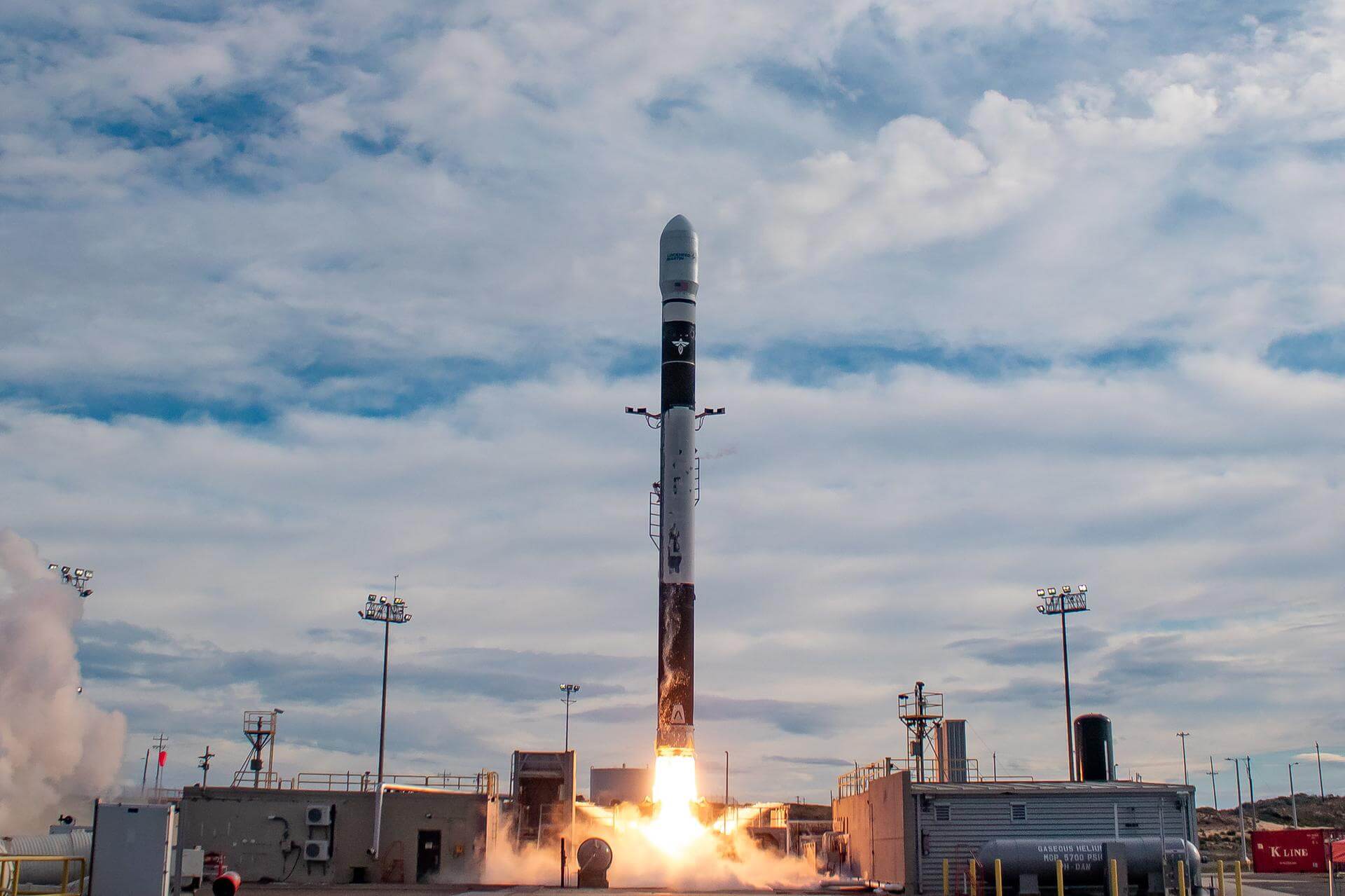
Launch facts
| Rocket | Firefly Alpha Block 2 |
| Operator | Firefly Aerospace |
| Pad | Space Launch Complex 2W, Vandenberg SFB, CA, USA |
| Launch window | Q4 2026 — date TBC |
| Status | TBD |
🚀 ConnectedCosmos Launch 1 — launch time & how to watch
No confirmed launch date yet
The schedule only says Q4 2026. The day and the liftoff time don't exist yet — not here, not anywhere. There's nothing to count down to.
🚀 No confirmed launch date yet
We'll tell you the moment it gets a real date — and again about an hour before liftoff. Nothing else.
Free · no account · unsubscribe anytime
✈ TelegramWhat is the ConnectedCosmos Launch 1 mission?
Firefly Aerospace's Alpha Block 2 rocket is scheduled to launch the ConnectedCosmos Launch 1 mission no earlier than Q4 2026 from Space Launch Complex 2W at Vandenberg Space Force Base, California. Alpha is a two-stage, all-carbon-composite small-satellite launch vehicle designed to place payloads of roughly 1,000 kg to low Earth orbit and about 630 kg to a 500 km sun-synchronous orbit.
The mission is one of Firefly's dedicated smallsat flights out of the U.S. West Coast, which offers efficient access to high-inclination and polar orbits favored by Earth-observation and communications payloads. The launch status is currently listed as TBD, meaning the date and time may shift as vehicle processing and range availability are finalized.
When is the launch?
The current target liftoff is Q4 2026. Because the mission is in a to-be-determined state, the precise time is subject to change. For the latest confirmed timing, check the live countdown on the Cosmik rocket launch schedule.
| Detail | Value |
|---|---|
| Mission | ConnectedCosmos Launch 1 |
| Rocket | Firefly Alpha Block 2 |
| Provider | Firefly Aerospace |
| Launch site | SLC-2W, Vandenberg SFB, CA |
| Target (NET) | Q4 2026 |
| Status | TBD |
What is the Firefly Alpha rocket?
Firefly Alpha is a small-lift orbital launch vehicle built by Texas-based Firefly Aerospace. It stands roughly 29 meters tall and uses four Reaver engines on the first stage and a single Lightning engine on the second stage, all burning RP-1 kerosene and liquid oxygen. The Block 2 upgrade increases performance over the original Alpha, targeting improved payload capacity for dedicated and rideshare smallsat customers.
Where is it launching from?
The mission lifts off from Space Launch Complex 2W at Vandenberg Space Force Base on the California coast. Vandenberg's location allows rockets to fly south over the Pacific Ocean into polar and sun-synchronous orbits without overflying populated areas. Explore other missions from the site on the Vandenberg launch hub.
How to watch the launch live
Firefly Aerospace typically streams its Alpha launches via a live webcast beginning shortly before liftoff. Once the launch is confirmed, you can follow the countdown and the rocket's trajectory in 3D on Cosmik's live solar system and satellite map. After deployment, the payload will appear among the thousands of tracked objects in orbit.
- Confirm the exact liftoff time via the launch schedule and provider webcast.
- Watch the ascent and stage separation in real time.
- Track the deployed satellite after it separates from the second stage.
What is the payload?
The mission is designated ConnectedCosmos Launch 1, the first in a planned campaign. Firefly's Alpha vehicle is optimized for dedicated smallsat and constellation deployment, giving operators precise control over orbit selection and timing versus sharing a larger rideshare. Additional payload specifics will be confirmed closer to launch. Follow updates on the latest launch news page.
Why does this mission matter?
Dedicated small launchers like Alpha fill a growing market gap: they let single operators reach a custom orbit on their own schedule rather than waiting for a large rideshare manifest. As commercial constellations expand into the hundreds and thousands of satellites, responsive launch capability from West Coast pads becomes increasingly valuable. You can see how crowded low Earth orbit already is using the satellite tracking guide.
Launch background and sources
Firefly Aerospace has been developing and flying the Alpha vehicle from Vandenberg to build a cadence of dedicated smallsat missions. Launch data for this preview is sourced from The Space Devs Launch Library. Background on the vehicle and operator is available from Wikipedia's Firefly Alpha article, Firefly Aerospace, and Vandenberg Space Force Base.
Follow the launch live on Cosmik
Track the Firefly Alpha ConnectedCosmos Launch 1 countdown, watch the ascent, and follow the deployed satellite in real time on Cosmik's free 3D map. Enable free launch alerts so you never miss liftoff, and browse the full upcoming rocket launch schedule.
Follow this mission live in 3D and get a free alert before liftoff.
Open the live map →Sources
Next launches
- Bandwagon 5 (Dedicated Mid-Inclination Rideshare) — launch — 19 October 2026, 10:30 UTC
- Martian Moon eXplorer (MMX) — launch time & how to watch — 19 October 2026, 19:41 UTC
- We're Not Hawking Around (3x HawkEye 360) — launch time & — 21 October 2026, 05:00 UTC
More launch coverage
- InnoSat-0 on HANBIT-Nano — launch time & how to watch — November 2026
- Cygnus CRS-2 NG-25 — launch time & how to watch — November 2026
- Gaganyaan-1 on LVM-3 — launch time & how to watch — November 2026