SDA Tranche 1 Tracking Layer A — launch time & how to watch
Published · Updated
SpaceXFalcon 9SDASpace Development Agencypreview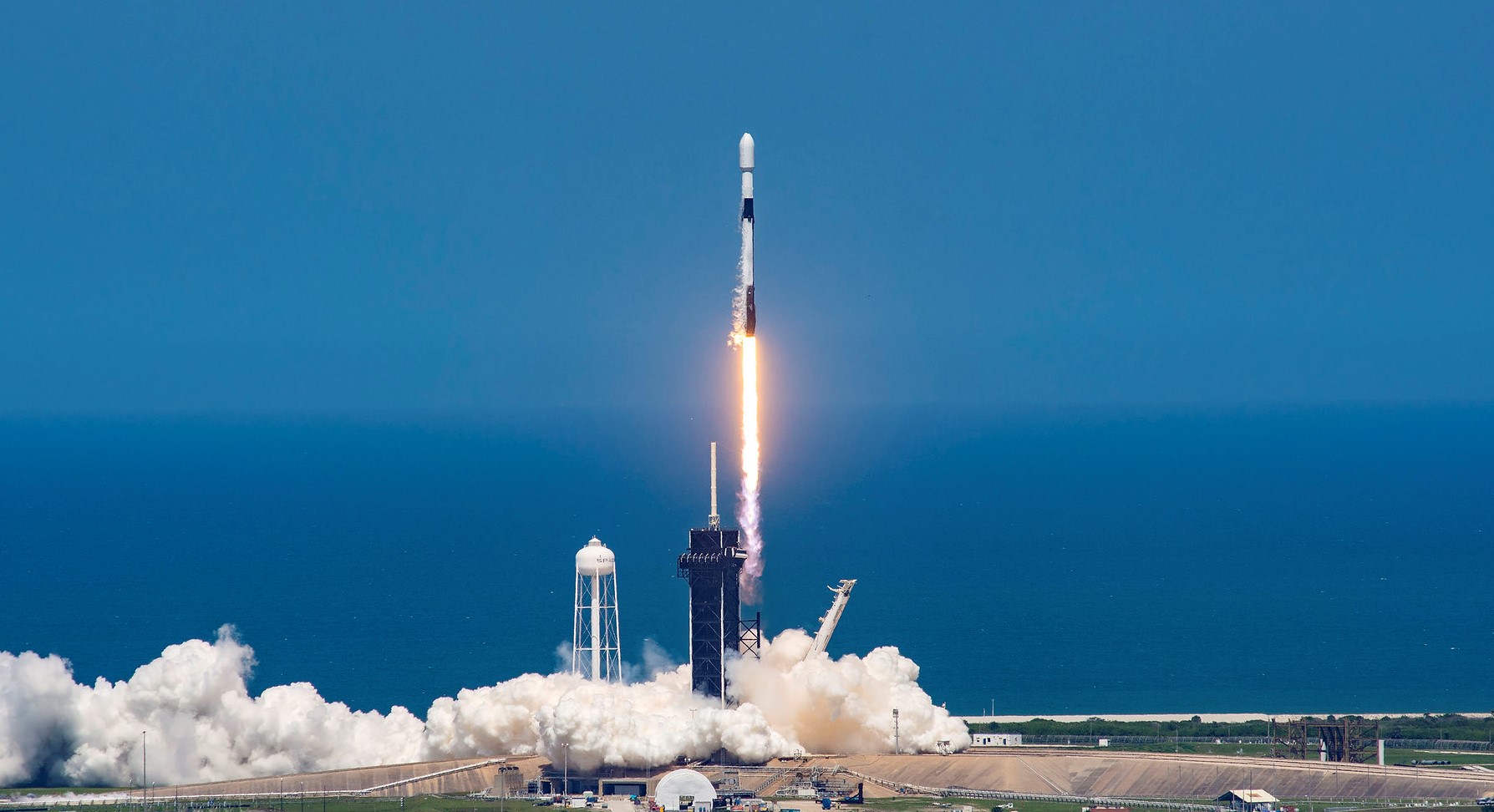
Launch facts
| Rocket | Falcon 9 Block 5 |
| Operator | SpaceX |
| Pad | Space Launch Complex 4E, Vandenberg SFB, CA, USA |
| Launch window | Q4 2026 — date TBC |
| Status | TBD |
🚀 SDA Tranche 1 Tracking Layer A — launch time & how to watch
No confirmed launch date yet
The schedule only says Q4 2026. The day and the liftoff time don't exist yet — not here, not anywhere. There's nothing to count down to.
🚀 No confirmed launch date yet
We'll tell you the moment it gets a real date — and again about an hour before liftoff. Nothing else.
Free · no account · unsubscribe anytime
✈ TelegramSpaceX will launch the SDA Tranche 1 Tracking Layer A mission on a Falcon 9 Block 5 from Space Launch Complex 4E at Vandenberg Space Force Base, California, no earlier than Q4 2026. The mission carries a batch of missile-tracking satellites for the U.S. Space Development Agency into low Earth orbit.
The SDA Tranche 1 Tracking Layer is a constellation of infrared-sensing satellites designed to detect and track hypersonic missiles and advanced ballistic threats from low Earth orbit, feeding data to a broader proliferated warfighter architecture.
When is the launch?
The launch is currently scheduled in Q4 2026, though the status remains TBD and the date may shift. The mission lifts off from SLC-4E at Vandenberg SFB, SpaceX's primary West Coast pad for polar and sun-synchronous trajectories.
- Rocket: Falcon 9 Block 5
- Provider: SpaceX
- Pad: Space Launch Complex 4E, Vandenberg SFB, California
- Customer: U.S. Space Development Agency (SDA)
- Target: Low Earth orbit
What is the payload?
The payload is a group of satellites forming part of the SDA's Tranche 1 Tracking Layer. According to the Space Development Agency, the Tracking Layer is built to provide global, persistent detection and tracking of hypersonic and ballistic missiles using wide- and medium-field-of-view infrared sensors.
Tranche 1 represents the first operational-scale deployment of the SDA's tracking constellation, following the smaller Tranche 0 demonstration satellites. The full Tracking Layer across Tranche 1 comprises dozens of spacecraft distributed across multiple orbital planes to ensure continuous coverage of missile launches worldwide. These satellites operate in low Earth orbit, typically around 1,000 km altitude, where their proximity to Earth enables faster revisit times than legacy geostationary early-warning systems.
Why low Earth orbit for missile tracking?
Placing tracking sensors in LEO rather than in geostationary orbit lets a proliferated constellation maintain custody of dim, fast-moving hypersonic vehicles across their entire flight path. The trade-off is that many more satellites are required — which is exactly why the SDA is launching them in batches on Falcon 9.
The Falcon 9 rocket and Vandenberg
Falcon 9 Block 5 is a two-stage, partially reusable orbital rocket standing 70 meters tall, with a first stage powered by nine Merlin 1D engines. Individual boosters have flown more than 20 times, and SpaceX routinely recovers the first stage on droneships or return-to-launch-site landings. For polar-inclination missions like SDA's Tracking Layer, launches from Vandenberg Space Force Base send payloads southward over the Pacific.
SLC-4E has hosted a large share of SpaceX's West Coast flights, including Starlink, national security, and Earth-observation missions. You can follow the full SpaceX launch schedule and track every SpaceX vehicle in orbit on Cosmik.
How to watch live
SpaceX typically begins its webcast around 15 minutes before liftoff on its official channels. National security payloads sometimes have reduced coverage, so exact broadcast details will be confirmed closer to launch day.
On Cosmik you can watch the ascent and orbital insertion on a live 3D map of the solar system and every satellite in orbit, and see the SDA satellites join the growing Tracking Layer constellation. Check the rocket launch schedule for the latest countdown status and any date changes.
Key facts at a glance
| Item | Detail |
|---|---|
| Mission | SDA Tranche 1 Tracking Layer A |
| Rocket | Falcon 9 Block 5 |
| Date (UTC) | Q4 2026, 00:00 |
| Launch site | SLC-4E, Vandenberg SFB, CA |
| Orbit | Low Earth orbit |
| Customer | U.S. Space Development Agency |
Data for this launch is sourced from The Space Devs Launch Library. For background on the vehicle and site, see the Falcon 9 and Vandenberg Space Force Base Wikipedia pages, and the Space Development Agency overview.
Follow the launch live on Cosmik
Track the countdown, watch the ascent in real time, and follow the SDA Tracking Layer satellites once deployed on Cosmik's live 3D map. Enable free launch alerts so you never miss liftoff, and browse the latest launch news for updates as the date firms up.
Follow this mission live in 3D and get a free alert before liftoff.
Open the live map →Sources
Next launches
- Dragon CRS-2 SpX-35 — launch time & how to watch — 13 October 2026, 10:33 UTC
- Martian Moon eXplorer (MMX) — launch time & how to watch — 19 October 2026, 19:41 UTC
- Amazon Leo (LV-01) — launch time & how to watch — 29 October 2026
More launch coverage
- Metop-SG B1 on Ariane 62 — launch time & how to watch — November 2026
- Cygnus CRS-2 NG-25 — launch time & how to watch — November 2026
- InnoSat-0 on HANBIT-Nano — launch time & how to watch — November 2026