The stargazing starter kit (skip the junk telescope)
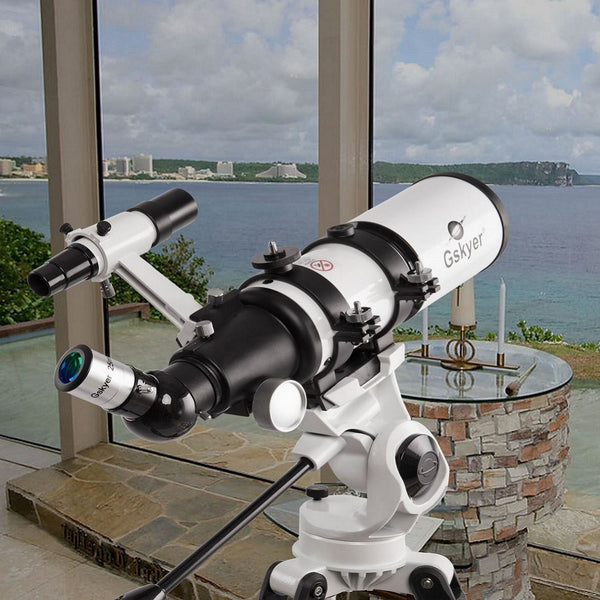
The biggest beginner mistake in astronomy is buying a cheap telescope first. Wobbly department-store scopes have probably killed more budding astronomers than clouds. The gear that actually gets used costs less and fits in a backpack.
This is the short list we'd hand a friend: everything here earns its place, in the order we'd buy it.
The picks
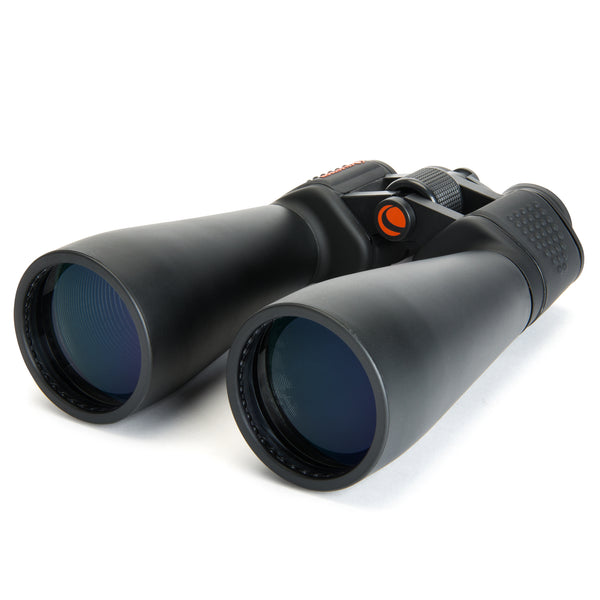
Binoculars 10x50
$40-120The real first instrument: moon craters, Jupiter's moons, star clusters, satellites — zero setup, useful forever even if you later buy a telescope.
Check price on Amazon →Red light headlamp
~$15Preserves dark adaptation; the difference between seeing 50 stars and 500.
Check price on Amazon →Planisphere star wheel
~$12No battery, no app glare — learn the constellations the way that sticks.
Check price on Amazon →Reclining camp chair
$40-80Sounds silly, is essential: comfortable necks watch twice as long.
Check price on Amazon →Moon filter (later, with a scope)
~$15If you do graduate to a telescope, this $15 filter is the first accessory that matters.
Check price on Amazon →Field tips
- Free beats gear at the start: a satellite tracker with alerts (Cosmik), a dark spot away from streetlights, and 15 minutes of dark adaptation outperform $500 of unused equipment.
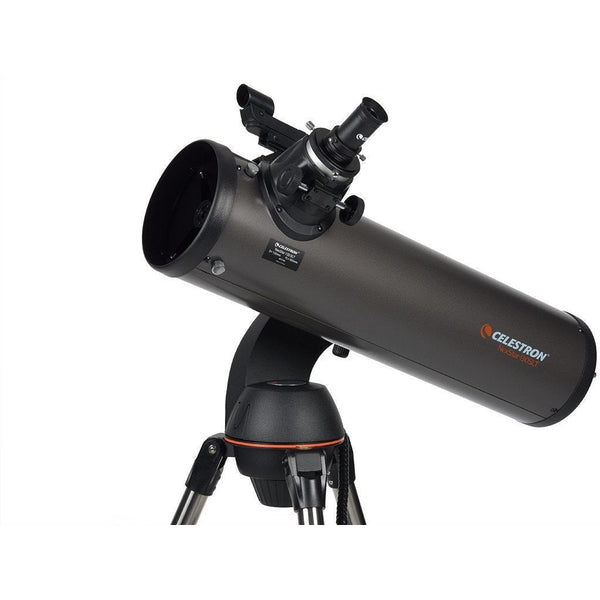
- If you must buy a telescope, buy a Dobsonian (6-8") — stable, simple, and every dollar goes into the optics.
- The ISS is your gateway drug: it's bright, predictable, and free — one good pass hooks kids (and adults) permanently.
FAQ
What should a beginner buy first for stargazing?
Good 10x50 binoculars, a red light, and a reclining chair — in that order. Skip cheap telescopes entirely; a wobbly mount ruins the experience. Add a free satellite tracker with alerts and you'll have something to look AT every single clear night.
Why not start with a telescope?
Cheap telescopes (under ~$200) have shaky mounts and dim optics that frustrate beginners into quitting. Binoculars show more, instantly, anywhere — and if you upgrade later, a Dobsonian reflector gives the most aperture per dollar.
Know when to look up
Gear is half the equation — timing is the other. Cosmik tracks the ISS and 20,000+ satellites live and sends a free alert ~10 minutes before a visible pass over your exact location.
More guides
- Best binoculars for satellite & ISS watching (2026 guide)
- How to photograph the ISS — gear & settings that work (2026)
As an Amazon Associate, Cosmik earns from qualifying purchases. Product links go to Amazon search results so you always see current models and prices; recommendations are our own and nobody pays to appear here.